Impact
It moved serious money.
Blackhole went from launch to leading Avalanche DEX volume in Q3 2025. These are historical and cumulative protocol results, presented as evidence of the product’s scale rather than as work personally generated by Pocket Pixels.
Sources: DefiLlama, Nansen and Avalanche ecosystem reporting. Figures reflect published historical and cumulative protocol data.
The challenge
Make a complex DEX feel like a product, not a protocol.
Blackhole was not a simple swap screen. The product had to bring trading, liquidity, positions, incentives, voting and a new token model into one experience without asking users to understand the machinery underneath before they could use it.
At the same time, it needed an identity strong enough to stand apart in a category where a lot of products looked and behaved the same. The design challenge was to make the system feel powerful without making it feel difficult.
My role
From blank canvas to shipped product.
I led the design across Blackhole from the earliest product thinking through launch and continued iteration. This covered the full product rather than a single interface pass.
Product structure and wireframes
Mapping the core journeys and turning the protocol mechanics into understandable product flows.
UX and interaction design
Working through trading, liquidity, positions, voting and the states around each journey.
Visual UI design
Establishing the interface language and carrying it consistently across the product.
Brand direction
Building the visual identity around Blackhole so the product had a recognisable world of its own.
Motion and animation
Using movement where it helped communicate state, interaction and the personality of the product.
Design system and handoff
Creating reusable patterns and working closely with engineering through implementation.
01
Start with the mechanics, then hide the complexity.
A DEX can expose an enormous amount of information very quickly. The first job was understanding what users actually needed at each point in the journey, then deciding what could stay in the background until it mattered.
The wireframes focused on hierarchy before styling. Trading actions, position information and liquidity flows had to remain clear even when the underlying system was doing something much more complicated.

02
Give high-density trading UI room to breathe.
Trading products need information density, but density without hierarchy turns into noise. The interface was designed around clear layers of importance so balances, prices, actions, positions and market information could coexist without everything competing for attention.
The goal was not to make the product artificially simple. It was to make a sophisticated product readable.

03
Build a brand people could recognise before they read the logo.
Blackhole needed to feel like its own product, not another interchangeable DeFi interface. The branding, colour, typography, imagery and motion were developed alongside the product UI so the experience felt consistent from the first marketing touchpoint through to an active trading session.
The product and the brand were designed as one system.

The outcome
From launch to the top of Avalanche.
Blackhole launched on Avalanche in July 2025 and moved quickly. Within weeks it had crossed $250 million in TVL and was reported as the largest DEX on Avalanche at the time. It went on to lead Avalanche DEX volume in Q3 2025, while Nansen reported $9.9 million in protocol revenue for the quarter.
The product has since processed more than $31 billion in cumulative DEX trading volume according to DefiLlama. This was not a speculative concept or a portfolio redesign. It was a live financial product used at significant scale.
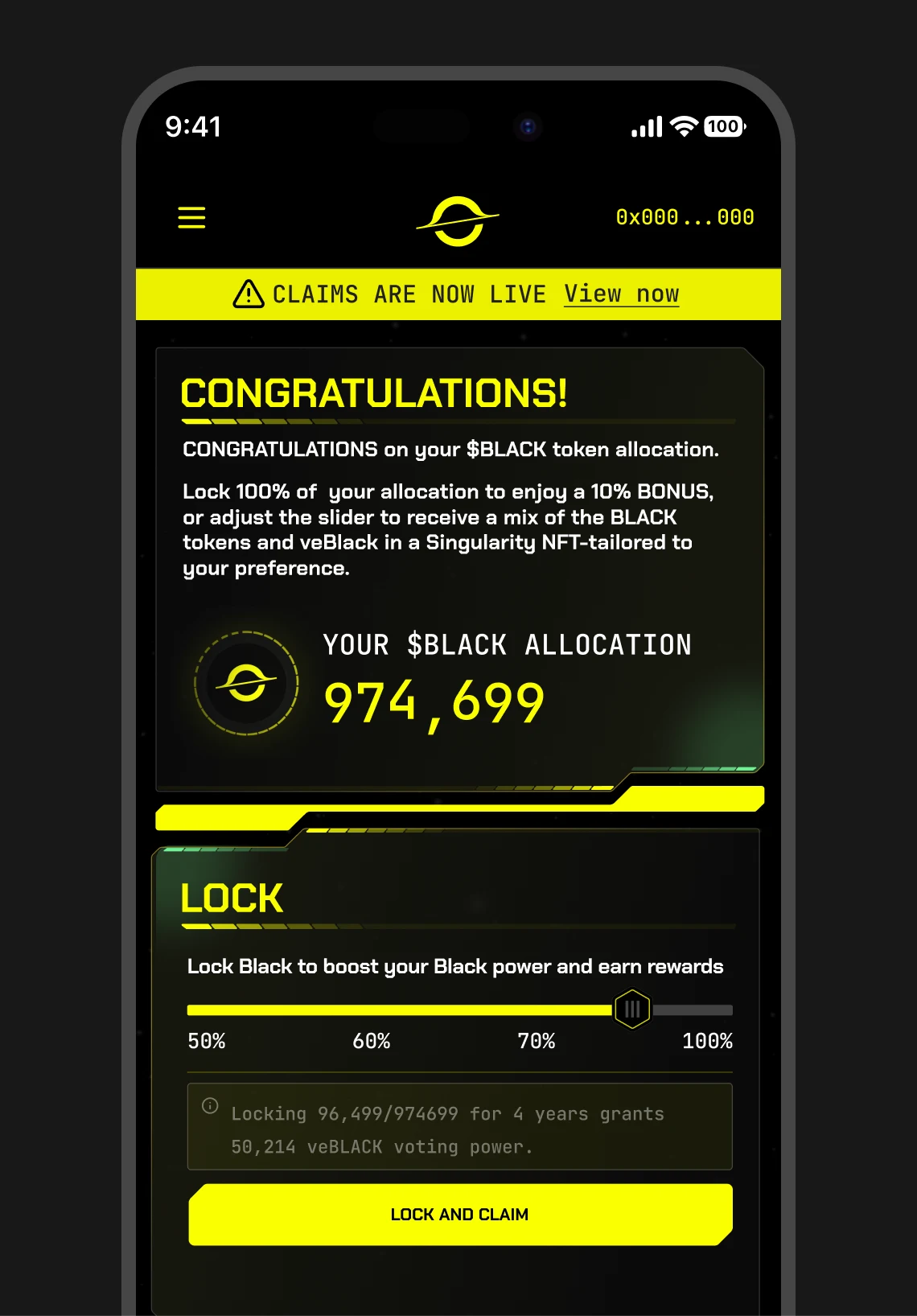

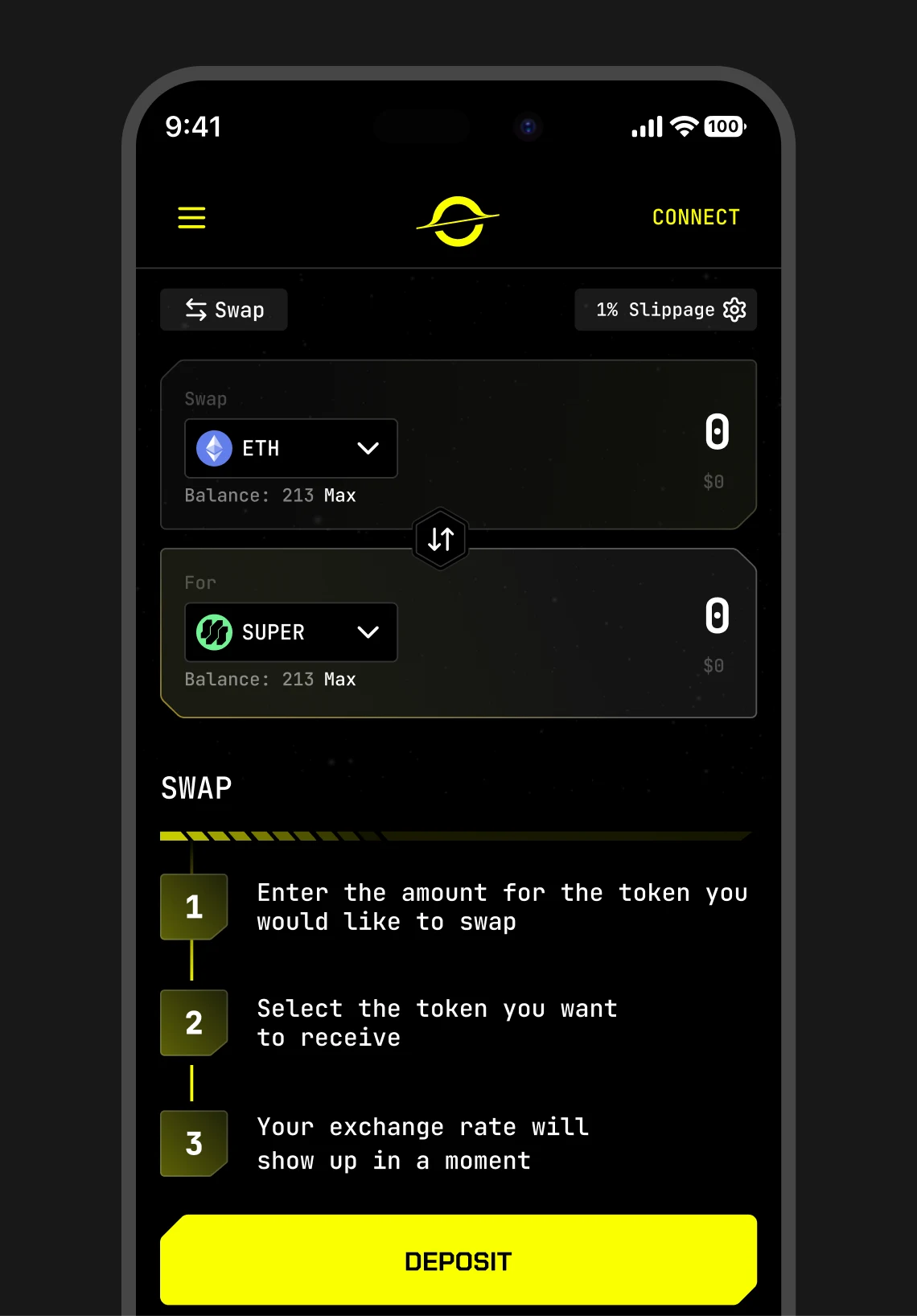
Selected product and brand views from the Blackhole system.